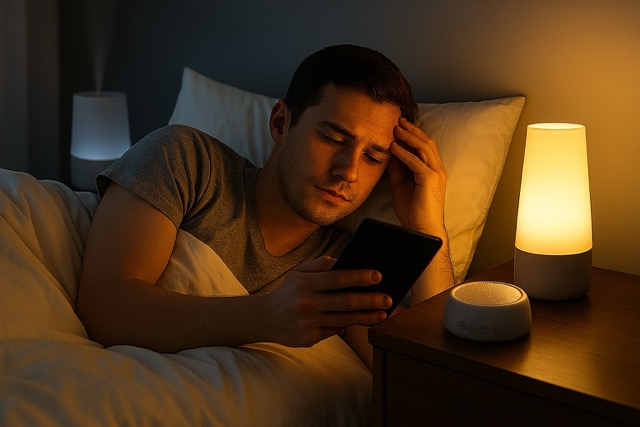
Still wide awake after switching on Night Mode? You’re not imagining it. Evening screen light plus engaging content can delay melatonin, keep your brain “up”, and nudge bedtimes later. The fix isn’t ditching devices—it’s using them deliberately. Below is an expert‑led, evidence‑based guide to tech and sleep tips that transform the last 60–90 minutes of your day into a calm runway for sleep. You’ll find 7 proven routines, each grounded in research, and practical steps you can start tonight.
Why Screens Wreck Your Sleep (and How to Fix It)
Evening exposure to short‑wavelength (blue‑enriched) light from self‑luminous screens suppresses melatonin, delays your circadian phase, and lightens sleep—effects seen across controlled trials and systematic reviews. Blue wavelengths (~460–480 nm) are particularly disruptive at night.
Smartphone use exacerbates the issue: phones are held close to the eyes and often at a higher brightness, both of which increase melatonin suppression. Quantitative analyses show that typical nighttime smartphone conditions can measurably suppress melatonin—especially at higher display intensities or in brighter rooms.
It’s not only light. Pre‑bed interactive content (social feeds, videos, games) drives reward and attentional systems, prolonging arousal even with blue‑light filters. Large adult cohort data (122,058 participants) link screen use in the hour before bed to poorer sleep quality and shorter sleep, strongest in evening chronotypes (night owls).
Bottom line: create a no‑scroll buffer of 60–90 minutes and make your environment warm, dim, quiet, and well‑ventilated. NHS guidance explicitly recommends at least an hour screen‑free before bed.
Routine 1 — The No‑Scroll Hour (60–90 Minutes Before Lights‑Out)
What it does: Gives melatonin a chance to rise naturally and lets the nervous system shift from alert “go mode” to restful “parasympathetic” mode. NHS resources and cohort data support a screen‑free hour for better sleep outcomes.
How to implement (step‑by‑step):
- Set a wind‑down alarm 60–90 minutes before your target bedtime.
- Switch Do Not Disturb on; charge your phone outside the bedroom.
- Use the time for analogue winding‑down: printed book or e‑ink reader, journaling, light stretches, or a warm shower.
- If anxiety spikes at bedtime, do a 3–5 minute “worry dump” or write tomorrow’s top three tasks—an NHS‑endorsed CBT‑i tactic.
Routine 2 — Night Mode Done Properly (Spectrum and Brightness)
Why Night Mode alone isn’t enough: Warming the display reduces short‑wavelength output, but higher brightness still suppresses melatonin. Evidence shows spectral shift without dimming remains insufficient; display intensity matters as much as colour.
How to implement:
- Set Night Mode/Night Shift to the warmest setting.
- Aggressively dim the screen to the lowest readable level.
- Keep checks ultra‑brief (ideally <30 seconds).
- Prefer e‑ink or print for late reading; e‑ink isn’t self‑luminous and is gentler on the circadian system. You may use an Amazon Kindle like:


Routine 3 — Calming Audio (Music, Sleep Stories, Noise—Used Right)
Why it helps: Audio replaces light exposure and reduces mental effort, easing you into sleepiness.
- A multi-arm pilot RCT found that music and sleep stories significantly reduced sleep disturbance compared to the waitlist, with high adherence and satisfaction.
- Meta‑analyses report moderate improvements in subjective sleep quality with slow, instrumental music (60–80 bpm) when used consistently over weeks.
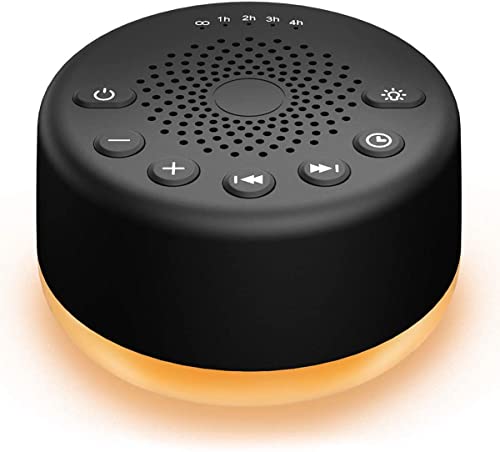
- White/pink noise can mask disruptive sounds; Harvard Health advises using a modest volume and a timer, as continuous loud audio may disrupt sleep.
How to implement:
- Choose instrumental ambient/classical/new age or a narrated story from a reputable app/library.
- Set a sleep timer for 30–45 minutes so the audio fades after you do.
- Keep volume below conversational level.
- You may use a white noise machine like:
Routine 4 — Warm, Dim Evening Lighting
Why it helps: Bright overheads delay melatonin rise; warm, dim light tells the brain it’s time to wind down.
- NHS sleep hygiene resources emphasise a consistent wind‑down with screen‑free time and calmer light.
- Harvard Health summarises the stronger melatonin suppression by blue‑enriched evening light compared with longer wavelengths.
How to implement:
- Shift from ceiling lights to warm bedside lamps 60–90 minutes before bed.
- Aim for low illuminance (cosy lounge, not office).
- Pair with Routine 2 (Night Mode + dim brightness) for any unavoidable brief checks.
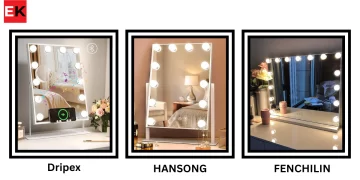
You may use a smart lamp like:

Routine 5 — Air Quality Matters: CO₂, Temperature, Humidity
Why it helps: Stale air and the wrong climate strain your body at night.
- An international synthesis (ASHRAE 1837-RP) recommends keeping bedroom CO₂ below 1,000 ppm—ideally below 800 ppm—to protect sleep quality; many bedrooms exceed these levels overnight due to low air-change rates.
- ASHRAE briefs highlight inadequate bedroom ventilation and recommend cooler temperatures (~18–20 °C) and humidity 40–60% RH to support comfort and breathing.
How to implement:
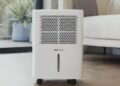
- Measure CO₂ overnight near pillow height; if readings exceed 800–1000 ppm, crack a window (if safe) or run quiet ventilation.
- Stabilise temperature around 18–20 °C; avoid overnight swings.
- Keep humidity in the 40–60% RH range; very dry air irritates airways, while muggy air feels heavy and disrupts rest.

Routine 6 — Reduce Noise & Light to Healthy Levels
Why it helps: Noise and stray light fragment sleep cycles and increase awakenings.
- WHO guidance recommends <40 dB(A) night‑time outdoors and ~30 dB(A) in bedrooms for undisturbed sleep; keep rooms darkto support melatonin timing.
How to implement:
- Use blackout curtains and dim clock faces (turn them away).
- For noise, prefer low-volume masking (white/pink noise) on a timer or soft earplugs , if tolerated.
Routine 7 — The Complete 75‑Minute Wind‑Down (A Practical Script)
Time ‑ 75 minutes
- Wind‑down alarm rings; enable Do Not Disturb.
- Move your phone outside the bedroom (or across the room).
- Switch to warm, dim bedside lighting; check CO₂/RH/temp and adjust ventilation/humidification as needed.
Time ‑ 60 minutes
- Analogue wind‑down: 3–5 minute worry dump or tomorrow’s top three tasks; printed reading; gentle stretches; warm shower. NHS endorses consistent routines and offloading pre‑sleep worries.
Time ‑ 45 minutes
- Audio swap: calming music or narrated story (30–45 minute timer, low volume).
Time ‑ 30 minutes
- Only if essential, perform a brief device check with Night Mode (warmest) + minimum brightness; keep under 30 seconds. Evidence shows dimming intensity matters, not just spectrum.
Lights‑out
- Room cool (18–20 °C), quiet, dark. Audio timer fades; you drift into sleep. If external noise persists, add earplugs or pink noiseat low volume on a timer.
FAQ (Expert Answers)
Does Night Mode really help me sleep?
Partly. Warming the display reduces blue light, but melatonin can still be suppressed at high brightness. Combine Night Mode with minimum brightness, and keep checks brief—ideally, avoid screens in the last hour.
Are blue‑light glasses worth it for sleep?
Evidence for sleep is mixed. They can reduce eye strain, but don’t replace the benefits of no‑scroll time and warm, dim evening lighting.
I’m a night owl—will these routines help?
Yes. The largest adult cohort data show pre‑bed screens reduce sleep most in evening chronotypes. A strict no‑scroll hour and warmer, dimmer lighting can counter late drift.
Ideal bedroom climate targets?
Aim ~18–20 °C, 40–60% RH, CO₂ <800–1000 ppm, plus low noise and true darkness.