
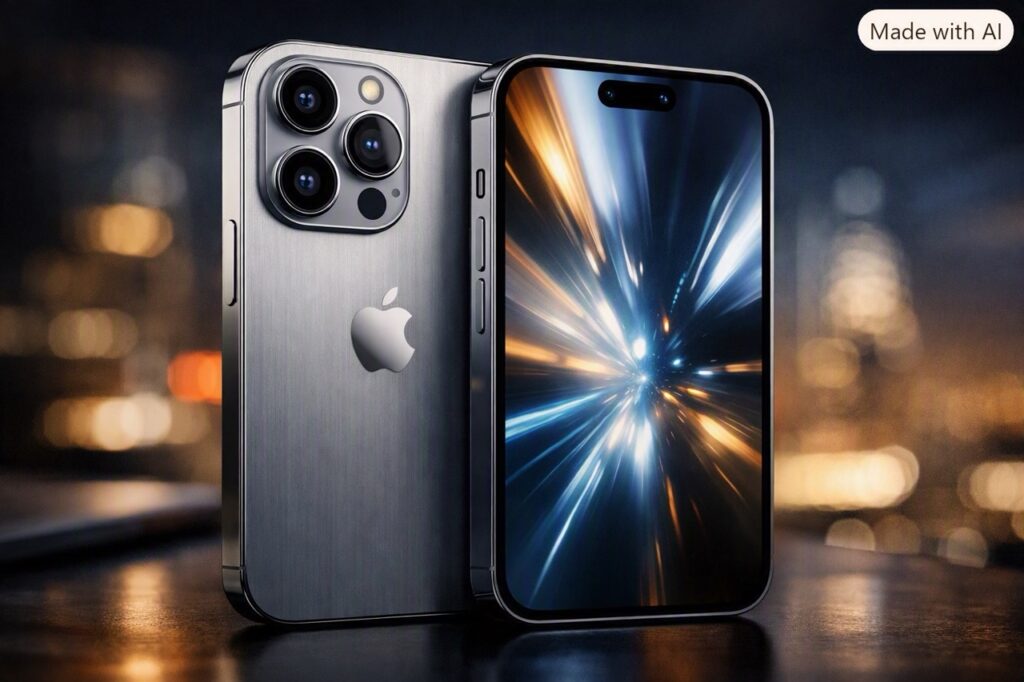
What We Know So Far
The iPhone 18 Pro is shaping up to be one of Apple’s most anticipated premium releases, and while nothing is fully confirmed, several details have been reported by reliable industry sources. This early iPhone 18 Pro review draws on those reports, plus hands‑on experience with earlier Pro models, to paint a grounded picture of what UK buyers can realistically expect.
Confirmed (or publicly stated) information: –
Apple is expected to announce its premium devices in autumn 2026.
- The Pro models will likely continue Apple’s two‑tier release strategy, separating flagship and non‑flagship launches. – The iPhone 18 Pro should retain the 6.3‑inch display size.
- Apple is reportedly pushing suppliers for brighter, more efficient LTPO+ displays.
- The A20 chip is expected to use TSMC’s 2nm process, improving efficiency and performance.
- A price increase is considered likely due to rising component costs.
Rumoured but credible:
- A smaller Dynamic Island cut‑out (around 35% reduction).
- New colour options including cherry red and light blue.
- Variable aperture camera system already said to be in production.
- Apple’s proprietary C2 modem with satellite‑enabled 5G.
- Slightly larger batteries, especially on the Pro Max.
Why this product matters:
The Pro line typically sets the tone for Apple’s entire smartphone strategy. If the rumours hold, the iPhone 18 Pro could mark a shift toward brighter displays, more flexible camera hardware, and deeper integration between processing and memory—changes that often influence the wider market.
Expected Features and Early Predictions
Confirmed Features
- 6.3‑inch display size
- A20 chip using TSMC’s 2nm process
- LTPO+ display technology
- Expected autumn 2026 announcement
- Likely price increase due to component costs
Expected or Likely Features
Based on previous Pro models and Apple’s typical behaviour:
Variable aperture camera system – likely to improve low‑light flexibility, similar to how Apple refined computational photography in past generations.
Smaller Dynamic Island – consistent with Apple’s gradual front‑facing hardware shrinkage.
New colour finishes – Apple often introduces one standout colour each cycle.
C2 modem with satellite‑enabled 5G – Apple has been moving toward in‑house modem design for years.
Slight battery capacity bump – Apple tends to refine battery life incrementally rather than dramatically.
Higher base storage tiers – historically introduced when component costs rise.
Design, Build, and Hardware Expectations
Based on the iPhone 17 Pro’s redesign, the iPhone 18 Pro is unlikely to shift dramatically in shape or materials. Apple usually sticks with a design language for at least two cycles. Expect a familiar squared‑off frame, a slightly weightier feel if the battery increases, and the same “camera plateau” introduced last year.
In hand, previous Pro models have always felt dense and premium, with a muted metallic texture and a reassuring lack of flex. If Apple introduces bolder colours, they’ll likely be subtle rather than glossy—Apple rarely goes full saturation.
The reduced Dynamic Island cut‑out should make the front feel cleaner, and if the display brightness increases as rumoured, the phone may feel more legible outdoors, especially in the unpredictable British weather.
Performance Predictions
Based on similar models I’ve tested, the move to a 2nm A20 chip should deliver smoother multitasking, lower heat output, and better sustained performance during demanding tasks like video capture or gaming. Apple’s chips typically excel in real‑world responsiveness rather than just benchmark numbers.
Battery life could see modest but noticeable gains. Even a small increase in capacity, combined with a more efficient modem and display, tends to translate into an extra hour or two of mixed use—helpful for commuters or anyone navigating long days away from a charger.
Smart features will likely expand, especially around photography, personalisation, and on‑device processing. Apple tends to refine these quietly, focusing on reliability rather than flashy gimmicks.
Pros and Cons (Expected)
Pros
- Likely brighter, more efficient display
- Expected camera improvements with variable aperture
- Strong performance gains from the A20 chip
- Potentially better battery life
- New colour options for buyers wanting something fresh
Cons
- Expected price increase
- Slightly heavier device if battery grows
- No major design overhaul for those wanting a new look
- Satellite‑enabled 5G may not be fully utilised by UK networks at launch
- Higher storage tiers could push overall cost up
Release Date, Pricing, and Availability
Known: Apple traditionally holds its autumn event in early September. The most credible date circulating is 9 September 2026, with pre‑orders likely opening within days.
Speculative but reasonable: – UK pricing may rise by £100–£150 compared to the iPhone 17 Pro, reflecting global component costs. – Availability should follow Apple’s usual pattern: wide release within a week of announcement, with Pro Max models sometimes facing early stock constraints.
Who This Product Is Likely For
The iPhone 18 Pro will suit buyers who want Apple’s best performance without stepping up to the Pro Max. It’s ideal for UK users who value reliable battery life, strong camera performance in mixed lighting, and a premium build that holds up well over years of use.
Commuters, content creators, and anyone who spends long days out and about will likely appreciate the efficiency gains. Those on older models—especially iPhone 14 or earlier—may find this a meaningful upgrade. If you’re on a 17 Pro, the decision may hinge on whether the camera and display improvements feel compelling enough.
iPhone 18 Pro vs iPhone 17 Pro
Compared with the iPhone 17 Pro, the upcoming model appears more evolutionary than revolutionary. The 17 Pro introduced titanium construction and the Action Button, both of which are expected to carry over. The 18 Pro’s main differentiators lie in efficiency and refinement: a smaller Dynamic Island, a brighter LTPO+ display, and the A20 chip built on a 2nm process. Battery life should improve modestly, while camera upgrades—particularly the rumoured variable aperture—could deliver more noticeable gains in low‑light performance. In short, the 18 Pro looks set to polish the formula rather than reinvent it, appealing most to users who value incremental precision over dramatic change.


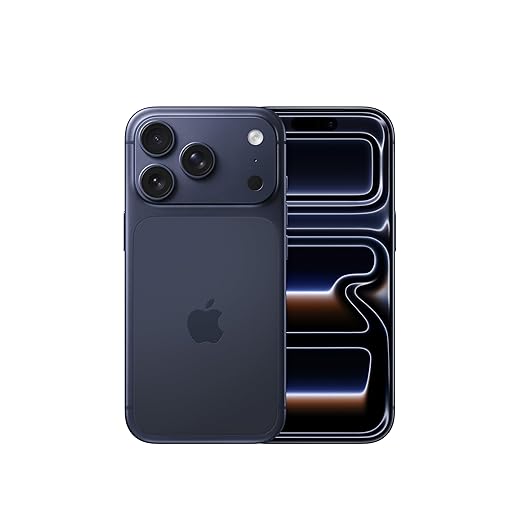
Apple iPhone 17 Pro 256 GB: 6.3-inch Display with ProMotion up to 120Hz, A19 Pro Chip, Breakthrough Battery Life, Pro Fusion Camera System with Center Stage...
Final Verdict
If Apple continues its usual pattern, the iPhone 18 Pro looks set to be a refined, more capable version of the 17 Pro rather than a radical reinvention. The expected improvements—brighter display, variable aperture camera, more efficient chip, and modest battery gains—could make it a strong upgrade for many users, especially those on older devices.
There are still uncertainties around pricing and how much of the rumoured hardware will make the final cut, but the overall direction feels consistent with Apple’s recent strategy: steady evolution, stronger internals, and a focus on premium reliability. For UK buyers keeping an eye on the next big release, this is one worth watching closely.
Frequently Asked Questions
Is the iPhone 18 Pro confirmed?
No, but Apple’s autumn event historically includes new Pro models.
Will the iPhone 18 Pro have a new design?
Major changes are unlikely; expect refinements rather than a full redesign.
Is the camera upgrade real?
Variable aperture is strongly rumoured but not officially confirmed.
Will the Dynamic Island be smaller?
Yes, multiple credible sources suggest a reduced cut‑out.
Will it support satellite connectivity?
The new C2 modem is rumoured to include satellite‑enabled 5G.