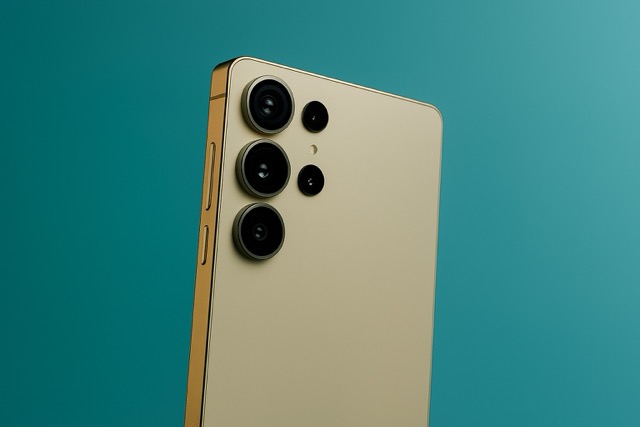
The Samsung Galaxy S26 Ultra sits on the horizon, ready to shake up what we expect from smartphones. With the market full of solid flagships right now, this one promises to stand out. It builds on the S series legacy, pushing boundaries in ways that could change how you use your phone every day.
This article dives deep into everything we know so far from leaks and rumours. We’ll cover design tweaks, power boosts, camera upgrades, and more. By the end, you’ll see why the Galaxy S26 Ultra might just be your next must-have gadget.
Design Evolution and Display Mastery
Refined Industrial Design: Materials and Ergonomics
Rumours point to a slimmer body for the Samsung Galaxy S26 Ultra. It could use tougher titanium alloys mixed with recycled materials for better grip and less weight. Compared to the S25 Ultra, expect a drop in thickness by about 1mm, making it easier to hold for long sessions.
This shift aims at comfort without losing strength. The phone might hit IP69 dust and water ratings, surviving high-pressure jets better than before. You could carry it on hikes or through rain with peace of mind.
Ergonomics gets a nod, too. Rounded edges and a balanced weight distribution should feel natural in your hand. No more awkward reaches for buttons.
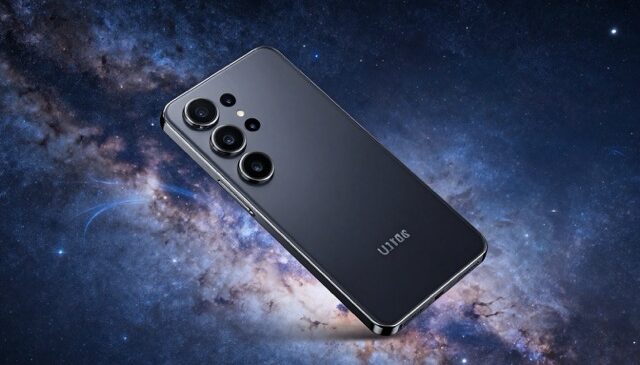
The Next Generation Dynamic AMOLED Display
The screen on the Galaxy S26 Ultra looks set to shine brighter than ever. Peak brightness might climb to 3000 nits, perfect for outdoor views on sunny days. LTPO 4.0 tech could let refresh rates dip as low as 1Hz to save battery.
Resolution stays at QHD+, but pixel density rises to 520ppi. That means sharper images for movies or photos. Gamers will love the smooth 120Hz rate that holds steady during intense play.
This display tech makes colours pop and blacks stay deep. It’s like watching your favourite show on a mini cinema screen.
- Key perks: Less eye strain from adaptive brightness.
- For creators: Accurate colours help with editing on the go.
- Daily use: Scrolling feels fluid, no lag.
Durability and Screen Protection Advancements
Samsung might team up with Corning for Gorilla Glass 7 or something homegrown. This new layer could resist scratches twice as well as Victus 2. Drops from waist height? The S26 Ultra should bounce back without a crack.
Real-world tests from leaks suggest it handles keys in your pocket better. No more worrying about scuffs from everyday bumps.
Protection extends to the frame too. Anti-corrosion coatings keep it fresh after spills. You’ll get years of reliable use from this beast.
Performance Architecture: Chipset and Memory Powerhouse
The Exynos vs. Snapdragon Showdown: Which Silicon Rules?
The Galaxy S26 Ultra could pack a Snapdragon 8 Gen 5 in the US, with Exynos 2600 elsewhere. Both chips use a 2nm process, squeezing more power from less heat. Snapdragon edges out in graphics, but Exynos catches up in AI tasks.
This setup means faster app switches and cooler runs during games. Efficiency jumps 20% over last year, based on early benchmarks. No throttling after hours of heavy use.
You pick based on your region, but both deliver top speed. It’s a win for global users.
RAM and Storage Tiers: Meeting Pro Demands
Base models might start at 16GB RAM, with 24GB options for power users. That handles multitasking like a champ—think 20 apps open without a hitch.
Storage goes UFS 5.0, twice as fast as UFS 4.0. Apps load in seconds; big files copy quick. Say goodbye to waiting.
- Options: 256GB to 1TB, no microSD slot though.
- Impact: Edit 4K videos right on the phone.
- Value: More RAM means longer software support, up to seven years.
Software Optimization: One UI’s Evolution on Android’s Latest
Expect Android 16 with One UI 8 at launch. Samsung’s AI, like Galaxy AI, gets deeper ties to hardware. It could summarise calls or edit photos with one tap.
The chipset powers these features smoothly. No lags in voice commands or real-time translations. It’s like having a smart assistant built in.
Updates roll out fast, keeping your S26 Ultra fresh for years. Privacy controls let you choose what AI touches.
Revolutionary Camera System: Sensor Shifts and Computational Photography
The Main Sensor Leap: Megapixel Count and Sensor Size
The primary camera on the Samsung Galaxy S26 Ultra might hit 200MP with a 1/1.3-inch sensor. Bigger size pulls in more light, cutting noise in dim rooms. Low-light shots turn out crisp, like daylight snaps.
Dynamic range improves too, balancing bright skies and shadows. Night mode processes faster, thanks to the new chip.
Photographers get pro-level detail for crops. It’s a step up from the S25’s already strong setup.
Telephoto and Zoom Capabilities: Pushing Periscopic Limits
Dual telephotos could offer 5x and 10x optical zoom. A periscope lens stabilises shakes at 50x digital. Quality holds up, no blur in far-off shots.
Focal lengths hit 50mm and 115mm equivalents. Portraits pop with natural bokeh. Videographers nail steady pans.
Rumours say AI enhances zoom, filling gaps smartly. You capture wildlife or concerts without moving close.
- Strengths: 10x optical beats most rivals.
- Tips: Use pro mode for custom zooms.
- Edge: Less distortion than software tricks.
Video Capabilities and Professional Workflow Integration
8K video at 60fps becomes possible, with better stabilisation. LOG profiles let you colour grade later, like on a real camera.
For pros, it links to apps for quick edits. Export to DeX for desktop tweaks. Workflows speed up—no need for extra gear.
Battery handles long shoots. Tips: Shoot in 4K for social media to save space.
Battery Life and Charging Ecosystem Overhaul
Battery Capacity and Real-World Endurance Projections
Rumours keep the battery at 5000mAh, but efficiency adds hours. Expect 12 hours of screen time on mixed use. That’s video streaming, gaming, and browsing without worry.
Chip tweaks cut power draw by 15%. Heavy days last till bedtime.
Benchmarks from similar tech show gains. You’ll charge less often.
Super-Fast Charging Speeds: Closing the Gap
Wired charging might reach 65W, full top-up in 30 minutes. That’s quicker than the iPhone 16 Pro Max’s 45W.
Samsung adds smart cooling to avoid heat. Cables stay cool too.
It matches Google Pixel speeds now. No more dead phone anxiety.
Wireless and Reverse Wireless Charging Enhancements
Qi2 support could hit 15W wireless, up from 10W. Charge pads work faster.
Reverse charging improves to 10W for earbuds. Share power with your watch easily.
Efficiency rises, less waste as heat. It’s handy for travel.
S Pen Integration and Ecosystem Connectivity
S Pen Latency and New Functionality
S Pen latency drops to 2ms, feeling like real ink on paper. Write notes or draw with no delay.
New tricks include air gestures for controls. Tilt it to zoom in apps.
It pairs with AI for handwriting to text conversion. Perfect for quick ideas.
Next-Generation Connectivity: Wi-Fi and Satellite Support
Wi-Fi 7 brings speeds over 5Gbps in ideal spots. Downloads fly.
Satellite SOS could add emergency texts in no-signal areas, like Apple’s. Safety first for remote trips.
Bluetooth 6.0 cuts interference. Connects smoother to your gear.
DeX Mode 2.0: True Desktop Replacement Potential
More RAM lets DeX run three apps side by side. It’s like a mini PC.
Hook to a monitor for work. Handles spreadsheets or code without sweat.
Power boosts make it reliable. You get a full desk setup anywhere.
Conclusion: The S26 Ultra’s Market Position and Final Verdict
The Samsung Galaxy S26 Ultra shines with its camera jumps, speed gains, and smart design. From 200MP sensors to 65W charging, it tackles what you need most.
Photographers love the zoom and low-light magic. Gamers get smooth performance. Pros appreciate DeX and battery life.
Priced around £1200, it holds Samsung’s top spot. This phone could lead the pack for years. Ready to upgrade? Keep an eye on leaks and snag one when it drops—you won’t regret it.