
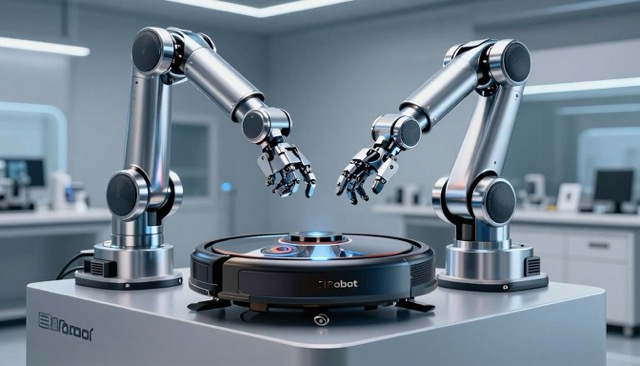
iRobot’s Chapter 11 and the PICEA Takeover: What It Really Means for Roomba Owners, Competitors, and the Smart‑Home Market
iRobot (maker of Roomba) filed for Chapter 11 on December 14–15, 2025. Through a court‑supervised restructuring, Shenzhen PICEA Robotics—iRobot’s primary manufacturer and secured lender—will acquire 100% of iRobot’s equity, taking the company private. iRobot and multiple outlets say no disruption is expected to app functionality or product support during the process. Shareholders are likely wiped out. For consumers, the near-term experience should be stable. Strategically, expect deeper manufacturing integration and potentially faster product cycles, but also brand-identity challenges and a more globalised supply chain.
Summary
- iRobot filed for Chapter 11 on December 14–15, 2025, in Delaware.
- Shenzhen PICEA Robotics will acquire 100% equity through a court-supervised restructuring, taking iRobot private.
- Amazon’s $1.7B bid (2022) was abandoned in January 2024, leaving iRobot vulnerable.
- No disruption expected for Roomba owners: apps, devices, and support will continue during restructuring.
- Shareholders wiped out; iRobot shares will be delisted post-transaction.
- Strategic goal: combine iRobot’s software ecosystem with PICEA’s manufacturing scale for cost efficiency and faster product cycles.
Why This Happened: The Road to Chapter 11
Competitive squeeze & price pressure. iRobot’s category leadership drew aggressive competition—particularly from lower‑priced Asian brands—which forced price cuts and heavier investment in feature upgrades to retain relevance. Court filings and reporting detail how these dynamics eroded profitability.
Tariffs & supply‑chain costs. U.S. tariffs (notably a 46% levy on imports from Vietnam, where many units for the U.S. market are built) increased costs and complicated planning. Several sources cite roughly $23 million in added tariff costs for 2025.
The broken lifeline. Amazon’s planned acquisition (announced in 2022 at ~$1.7B) was abandoned in January 2024 amid antitrust scrutiny from the EU and U.S. regulators. The collapse triggered layoffs (~31%) and leadership changes, and removed a route that might have stabilized iRobot’s capital structure.
Debt & cash crunch. SEC filings and financial press note cash dwindling below $25 million by late 2025, mounting debt (including a $190 million 2023 loan), and arrears owed to PICEA as its contract manufacturer, ultimately leading to the pre‑packaged Chapter 11, where PICEA will take full ownership and cancel portions of the debt.
The Transaction: What’s Actually Being Agreed
Structure—not a $1.7B cash buyout. This is not a straight cash acquisition. It’s a court‑supervised restructuring (pre‑packaged Chapter 11) with PICEA receiving 100% equity and iRobot going private. Reports consistently describe debt cancellation (including the remaining balance on the 2023 loan) and forgiveness of additional money owed under manufacturing agreements.
Continuity claims. iRobot says it will operate in the ordinary course during Chapter 11, with no anticipated disruption to app functionality, customer programs, supply chain relationships, or product support. Multiple outlets echo these assurances.
Shareholders and listing. iRobot’s own announcement says common shareholders should expect no recovery, as existing equity will be cancelled when the transaction closes, and shares will be delisted. Financial press coverage corroborates this outcome.
What This Means for Consumers: Near‑Term Stability, Medium‑Term Shifts
If you own a Roomba, will it still work? iRobot and major outlets say yes—apps, cloud connectivity, and support are expected to continue normally through the restructuring. Your Roomba should clean as usual, and firmware/app updates are likely to keep rolling.
Warranty and service. The company indicates that ongoing product support and programs will remain intact during Chapter 11. Keep devices updated and monitor official emails/app notices for any changes (none are expected in the near term). [
Pricing & product cadence. With PICEA as owner, deeper manufacturing integration could reduce lead times and enable more frequent hardware refreshes—potentially at sharper price points. That said, iRobot’s brand identity (premium positioning, U.S. engineering heritage) may face tension if products converge toward broader ODM aesthetics. Industry coverage has already noted shifts in iRobot’s lineup and outsourcing posture over 2024–2025.
Today’s best smart vacuum deals
| Image | Product | Features | Price |
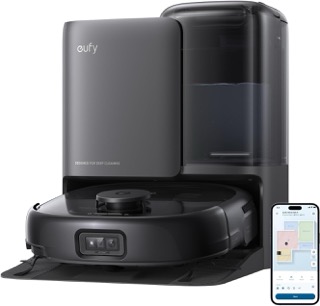 |
eufy E25 Omni Robot Vacuum Cleaner with Mop, HydroJet System |
Extreme Power |
|
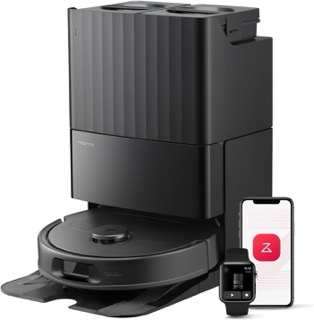 |
roborock Qrevo Series Robot Vacuum Cleaner with Mop |
High Suction: 10,000 Pa HyperForce Suction for deep cleaning. |
|
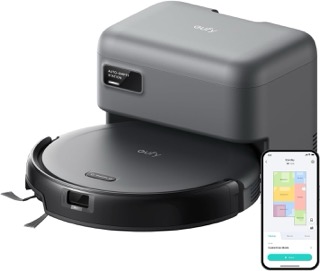 |
eufy Robot Vacuum C10 with Self Empty Station |
Self-Emptying Station |


Impact on Competitors and the Market
Competitive responses. Brands like Roborock, Ecovacs, Shark, and Eufy have grown by compressing prices while adding premium features (LiDAR, self‑emptying docks, advanced mapping). iRobot’s restructuring under PICEA could bring scale efficiencies, but it must also defend its brand story and software ecosystem to avoid being perceived as “just another ODM derivative.” Multiple analyses describe the broader shake‑up in robot vacuums as margins compress and differentiation shifts toward AI software and multi‑device ecosystems.
Regional dynamics. iRobot remains strong in the U.S. and Japan, but the market has tilted toward Chinese brands globally. With PICEA’s R&D and manufacturing base (China/Vietnam), expect more internationally harmonised product strategies and potentially altered regional pricing tiers. Reportage on tariffs and lower‑priced rivals sharply frames that shift.
Retail partnerships & channels. The consumer experience is unlikely to change in the near term—iRobot’s statement and coverage stress continuity across partners and supply chains. However, medium-term re-pricing and channel mix (direct vs. marketplace) may evolve as PICEA integrates its operations.
Strategy Lens: Hardware Scale vs. Software Differentiation
Manufacturing scale as an advantage. PICEA has built millions of robotic vacuums and is cited as a major ODM/contract manufacturer in the category. Owning an iRobot formalises a design‑to‑manufacturing pipeline that can accelerate cost‑down engineering and feature iteration. Coverage across the tech/business press points to PICEA’s long familiarity with iRobot’s bill of materials and production flow—an advantage over rivals without such tight vertical integration.
Software ecosystem and data. iRobot’s HOME app and mapping SLAM heritage are assets. To sustain differentiation, the combined entity needs to evolve on-device AI, contextual object recognition, multi-device orchestration (vacuum, mop, lawn, and security), and privacy-aware data policies that reassure Western consumers. Multiple outlets have highlighted how smart‑home brands win through ecosystem stickiness rather than single devices.
Brand equity & trust. The reputational challenge is real: Western consumers may question a U.S. icon’s move under Chinese ownership, particularly regarding data stewardship. Leadership statements and press emphasise continuity and innovation, but transparent privacy and support policies will matter. Coverage includes reactions from former CEO Colin Angle, who calls the outcome “profoundly disappointing”—a reminder to the new owners that trust is an asset to be maintained, not assumed.
Investor Perspective (for context)
Equity wipe‑out. iRobot’s own release states that common shareholders should expect no recovery, with delisting following the transaction. Financial press reports large single‑day declines following the announcement. This underscores that the restructuring is consumer‑continuity first, not investor preservation.
Debt resolution & runway. The debt cancellation and ownership transfer to PICEA clear an immediate survival hurdle. If integration is smooth, the company may gain a cost base more suited to present market realities—though the long‑term brand premium will need rebuilding amid intensifying competition.
Practical Guidance for Roomba Owners
- Keep your app updated. iRobot says services will continue in the ordinary course; updates are your best hedge against any minor connectivity hiccups.
- Monitor official communications. Expect email/app notices if any policy or support changes occur post‑close. Current guidance anticipates no disruptions.
- Check warranties and extended service plans. There’s no announced change, but saving records and receipts is prudent during a corporate transition.
- If you’re upgrading soon, consider the value vs. premium models. As the new owner optimises costs, feature‑to‑price ratios may shift quickly across the range. Follow reputable testing and buyer’s guides to compare.
Frequently Asked Questions (FAQs)
Is iRobot being sold for $1.7 billion in cash?
No. The $1.7B figure refers to Amazon’s proposed acquisition announced in 2022 and abandoned in January 2024. The current transaction is a Chapter 11 restructuring where PICEA will acquire 100% equity and take iRobot private, with debt cancellation components—not a standalone cash buyout.
Will my Roomba stop working or lose app features?
iRobot states no anticipated disruption to devices, app functionality, customer programs, partners, supply chains, or ongoing product support during the process. Multiple outlets echo this. Keep your app updated.
What happens to warranties and repairs?
iRobot says it will continue to operate in the ordinary course during Chapter 11, which includes customer support and programs. Monitor official communications for any changes post‑close.
Is iRobot leaving the U.S. or moving manufacturing?
iRobot already relied heavily on PICEA as its contract manufacturer (China/Vietnam). Ownership by PICEA mainly formalizes control and may streamline manufacturing. There’s no indication of immediate U.S. consumer support withdrawal.
What does this mean for future products?
Expect more integrated manufacturing and potentially faster iteration. The strategic opportunity is coupling iRobot’s software and design with PICEA’s scale. The challenge is maintaining premium differentiation against increasingly capable rivals.
I own iRobot stock—what now?
iRobot’s own release says common shareholders should expect no recovery; shares are expected to be delisted post‑transaction. Consult a financial advisor for tax or portfolio implications