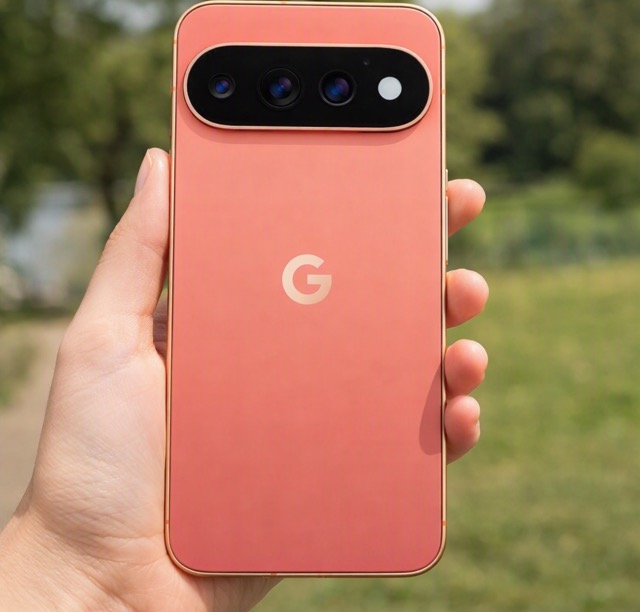
Google’s Pixel 11 arrives at a moment when smartphones have felt stuck in familiar patterns. For years, the upgrades have been predictable: slightly better cameras, slightly faster chips, slightly brighter screens. This Pixel 11 review explores why Google’s latest lineup feels different — not because of hardware alone, but because of how Gemini Intelligence reshapes the way the phone works day‑to‑day.
After spending time with previous Pixel generations and testing devices built around similar “agentic” systems, it’s clear the Pixel 11 marks a turning point. It’s less about tapping icons and more about the phone understanding what you’re trying to do — and quietly doing it.
Key Details About the Pixel 11 Lineup
Google has launched four models:
- Pixel 11
- Pixel 11 Pro
- Pixel 11 Pro XL
- Pixel 11 Pro Fold
All four place Gemini Intelligence at the centre of the experience. Rather than acting like a separate assistant, Gemini is woven into the operating system. In practice, this means the phone can:
Google Pixel 11 – Obsidian, 256GB | With Gemini Intelligence, 30+ Hour Battery, and 6.3” Super Actua Display

- Gemini Intelligence. Get more done, without doing more.
- Super crisp closeups with an upgraded 30x Super Zoom.
- 30-hour battery life. 40% faster wireless charging.
- The phone that’s designed for your privacy.
- The new Google Tensor G6 chip delivers snappy performance across your Pixel.
Google Pixel 11 Pro – Obsidian, 256GB | With Gemini Intelligence, 30+ Hour Battery and 6.3" Super Actua Display

- Gemini Intelligence. Get more done, without doing more.
- Magic Capture catches the moment while you live it.
- Google Pixel catches the moment as you live it.
- Stay informed without looking at your screen with HiLight.
- The phone that’s designed for your privacy.
- Incredible camera upgrades. Get exactly the right detail with two upgraded cameras.
- Pull details from your messages, calendar, maps and emails
- Understand what’s happening on screen
- Suggest or complete tasks without needing a separate app
- Reduce the number of taps needed for everyday actions
Google Pixel 11 Pro XL – Obsidian, 256GB | With Gemini Intelligence, 30+ Hour Battery and 6.8" Super Actua Display

- Gemini Intelligence. Get more done, without doing more.
- Magic Capture catches the moment while you live it.
- Google Pixel catches the moment as you live it.
- Stay informed without looking at your screen with HiLight.
- The phone that’s designed for your privacy.
- Incredible camera upgrades. Get exactly the right detail with two upgraded cameras.
Google Pixel 11 Pro Fold – Obsidian, 256GB | With Gemini Intelligence, 24+ Hour Battery and 8" Super Actua Flex Display

- Gemini Intelligence. Get more done, without doing more.
- Stay informed without looking at your screen with HiLight.
- Get ridiculously close with 30x Pro Zoom.
- All-new Google Tensor G6 and Titan M3 chips.
- 10% brighter screens, inside and out.
From similar systems I’ve tested, the biggest benefit is reduced friction. Instead of jumping between apps to plan a trip or book a table, the phone quietly handles the admin.
The Pixel 11 series also introduces Google’s Tensor G6 chip, designed to handle more on‑device processing. This matters for speed, battery efficiency, and privacy — especially when the phone is constantly interpreting context.
Hardware improvements include:
- Slimmer camera bar
- More durable Pro models with anti‑scratch coating
- Larger base storage (256GB across the lineup)
- Brighter displays
- Faster wireless charging
- Seven years of software and security updates
Main Features
- Gemini Intelligence integrated across the OS
- Tensor G6 chip with faster on‑device processing
- New camera bar design on Pixel 11
- Storage doubled to 256GB minimum
- Seven years of updates across the lineup
Feature | Pixel 11 | Pixel 11 Pro | Pixel 11 Pro XL | Pixel 11 Pro Fold |
|---|---|---|---|---|
| Display Size | 6.1-inch | 6.3-inch | 6.7-inch | 7.6-inch foldable (main) |
| Design | Slim camera bar, matte finish | Premium build, anti‑scratch coating | Larger premium build | Foldable design, lighter than previous fold |
| Processor | Tensor G6 | Tensor G6 | Tensor G6 | Tensor G6 |
| Storage (Base) | 256GB | 256GB | 256GB | 256GB |
| Camera System | Dual camera | Triple camera | Triple camera | Triple camera (enhanced for foldable form) |
| Battery | Standard endurance | Larger battery | Longest battery in lineup | Optimised dual‑cell foldable battery |
| Gemini Intelligence | Full integration | Full integration | Full integration | Full integration with fold‑specific actions |
| Unique Features | Core Pixel experience | Best balance of size + features | Largest screen for productivity | Foldable multitasking + large canvas |
| Ideal For | Everyday users | Power users | Heavy multitaskers | Productivity + foldable enthusiasts |
Our Impressions
The Pixel 11 feels like a device built around intent rather than interaction. The hardware is familiar — slim camera bar, matte finishes, comfortable weight — but the experience is noticeably different.
Build Quality & Design
The thinner camera bar gives the phone a cleaner silhouette. In hand, the Pro models feel more robust thanks to the new anti‑scratch coating. The matte Obsidian finish on the Pro versions is particularly pleasant — smooth without being slippery, and less prone to fingerprints.
Use Cases
In everyday UK scenarios, Gemini’s value becomes clear:
- When planning a weekend trip to Manchester, the phone can pull train times, check your calendar, and suggest the best departure window.
- If you’re messaging a friend about dinner, it can quietly check restaurant availability nearby.
- When juggling work emails and personal reminders, it can surface the right information without you digging for it.
Performance Expectations
Tensor G6 feels designed for this new workflow. Based on Google’s claims and past experience with Tensor chips, you can expect:
- Faster app launches
- Smoother multitasking
- More efficient background processing
- Better battery life during heavy use
Trade‑offs
The shift towards deeper system integration means:
- You’ll need to grant more permissions for Gemini to work properly
- Some features may feel unfamiliar at first
- Not all apps will support agentic actions immediately
UK‑Specific Considerations
- Google’s seven‑year update promise is a major win for UK buyers who keep phones longer.
- The price increases may push some buyers toward the standard Pixel 11 rather than the Pro models.
- Foldable adoption in the UK remains niche, so the Pro Fold will appeal to a smaller audience.
Pros and Cons
Pros
- Deeply integrated Gemini features that reduce daily friction
- Strong hardware improvements across the lineup
- Seven years of updates — excellent longevity
- Larger base storage at 256GB
- More durable Pro models with improved scratch resistance
Cons
- Higher prices across all models
- Some Gemini features may feel unfamiliar or require permissions
- UK pricing not yet confirmed but likely to rise
- Foldable model remains expensive and niche
- Learning curve for users used to traditional app‑based workflows
Who the Pixel 11 Is Best For
The Pixel 11 is ideal for:
- People who want a phone that reduces admin and friction
- Users who rely heavily on Google services
- Anyone who values long‑term software support
- Buyers who want a modern flagship without switching ecosystems
- Early adopters interested in agentic smartphone experiences
The Pro Fold suits:
- Productivity‑focused users
- Those who want a lighter, more refined foldable
- Buyers comfortable with premium pricing
Google vs Apple: Two Very Different Paths to Smartphone Intelligence
A major theme in the original CNBC piece — and one worth highlighting clearly in your article — is how Google and Apple are taking fundamentally different routes toward intelligent smartphones. This isn’t just a rivalry; it’s a divergence in philosophy, execution, and long‑term strategy.
Different Foundations, Different Futures
Google’s approach with the Pixel 11 is built around deep system‑level intelligence. Gemini isn’t an add‑on or a helper — it’s woven into the operating system, quietly interpreting what’s happening on screen and connecting information across apps. In practice, this means the phone tries to understand your intent and reduce the number of steps needed to complete everyday tasks.
Apple, meanwhile, is rebuilding Siri with a focus on controlled, privacy‑centric intelligence that layers on top of existing workflows. Even though Apple is using Google’s models behind the scenes, the experience is designed to feel familiar: Siri remains the central interface, and intelligence is added in a way that preserves Apple’s established ecosystem and user habits.
Google’s Direction: Agentic, Integrated, Always Present
Google’s strategy is to make intelligence the primary way you use your phone. The Pixel 11 demonstrates this through:
- Gemini actions that work inside apps without opening separate tools
- Contextual understanding of messages, calendars, maps and on‑screen content
- Features like scam detection and Rambler transcription that rely on deep OS integration
- A belief that smartphones should anticipate needs rather than wait for commands
It’s a bold, system‑wide shift — one that changes how the phone behaves rather than how it looks.
Apple’s Direction: Familiar, Structured, Gradual
Apple’s rebuild of Siri is ambitious, but it’s still rooted in the company’s long‑standing design principles:
- Intelligence is added in a controlled, predictable way
- Siri remains the main interface rather than a system‑wide agent
- Features are introduced gradually across apps
- Privacy and consistency guide every decision
Apple is modernising the experience, but it’s doing so without disrupting the core iPhone workflow millions already rely on.
Why This Divergence Matters
For users, the difference will be noticeable:
- Pixel users will experience a phone that feels more proactive, more connected, and more capable of handling multi‑step tasks without manual navigation.
- iPhone users will see a more capable Siri, but the overall structure of the device will remain familiar and predictable.
Both approaches have strengths. Google’s is more adventurous and transformative; Apple’s is more cautious and continuity‑driven.
Frequently Asked Questions
Is the Pixel 11 worth upgrading to?
Yes, especially if you want deeper system intelligence and longer software support.
Does Gemini work without giving lots of permissions?
It works, but the best features require access to messages, calendar, and on‑screen context.
Is the Pixel 11 Pro Fold durable enough for daily use?
Google claims improved durability and reduced weight, but foldables still require more care.
How long will the Pixel 11 receive updates?
Seven years of OS, security, and Pixel Drop updates.
Does the Pixel 11 replace the need for separate planning apps?
Not entirely, but Gemini reduces the need to jump between apps for everyday tasks.
Final Verdict
The Pixel 11 marks a genuine shift in how smartphones behave. Rather than being a collection of apps, it feels like a device that understands what you’re trying to do — and quietly helps you do it. For UK buyers who want a phone that simplifies life, reduces friction, and stays supported for years, the Pixel 11 is one of the most compelling Android options available.
It’s not just another upgrade. It’s a preview of where smartphones are heading — and Google has taken a confident step forward.