
Samsung’s Foldable Frontier: Why the Galaxy Z Series Dominates the Future of Mobile
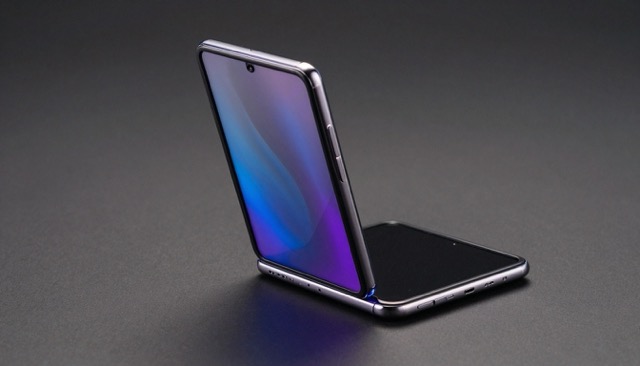
Samsung has changed the smartphone game. Foldables now lead its push forward. These devices fold open like a book. They offer bigger screens in a pocket size. Why does Samsung bet so much on them? Let’s explore.
The Folding Revolution Takes Centre Stage
The Pivot from Incremental Updates
Samsung once tweaked its slab phones year after year. Small changes kept sales steady. Now, the company pours resources into foldables. This shift marks a bold move. Traditional phones hit a wall of sameness. Foldables bring fresh excitement. They promise a new way to use mobiles.
Market Dominance and Early Adoption
Samsung rules the foldable market. The Z Fold and Z Flip lines lead the pack. In 2025, these models hold over 50% share. Early users love the big screens for work and fun. Sales grow each quarter. Competitors scramble to catch up. Samsung’s lead feels solid.
The Strategic Imperative: Why Foldables Matter to Samsung
Combating Market Saturation in Flagships
Premium phones sell less now. Upgrades slow down. Buyers keep devices longer. Foldables spark new buys. They offer a different shape. This fights off rivals like Apple. Samsung needs an edge. Foldables provide it. The S series once ruled. Now Z takes over.
Innovation sets Samsung apart. Apple sticks to slabs. Foldables pull users in. They create buzz. Sales jump from hype. Without them, growth stalls. Samsung sees this clear.
Capturing the Next Generation of Premium Buyers
Foldables draw young pros. Tech fans grab them first. Business users want more screen space. Samsung targets ages 25 to 40. These folks value multitasking. They seek style too. Z Flip fits fashion needs. Z Fold boosts work flow.
Demographics shift to urban dwellers. They crave portable power. Samsung markets to influencers. Social media spreads the word. This builds loyalty. Premium buyers switch for novelty.
Setting the Industry Standard
Samsung aims to own foldables. Like the S series did for Android. It sets design norms. Hinges and screens define quality. Others copy Samsung’s lead. This control boosts profits. Long term, it locks in users.
The company invests heavy. R&D funds hinge tech. Patents pile up. Rivals face barriers. Samsung shapes what foldables become.
Samsung Galaxy Foldables Options

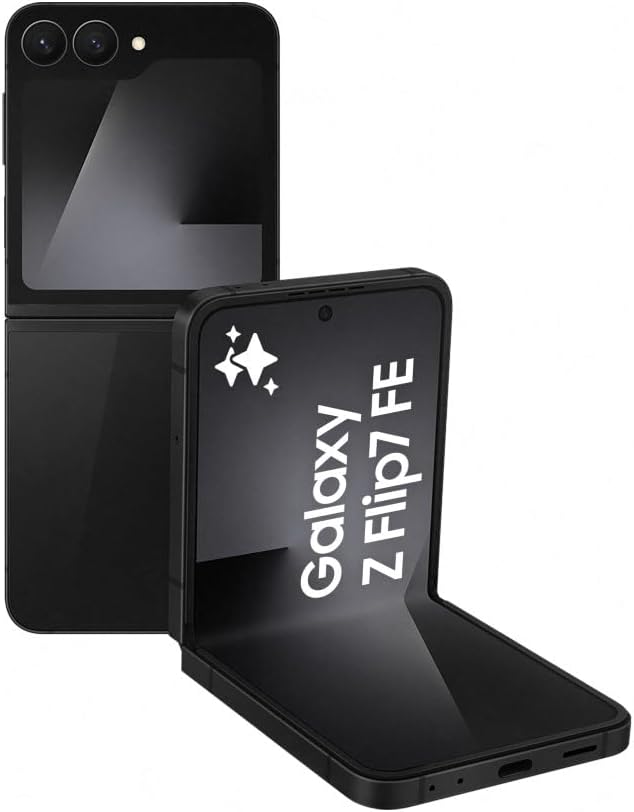
Samsung Galaxy Z Flip7 FE AI Phone
Compact Flip Design
51 MP Camera
4000 mAH Battery
Galaxy AI
One UI 8

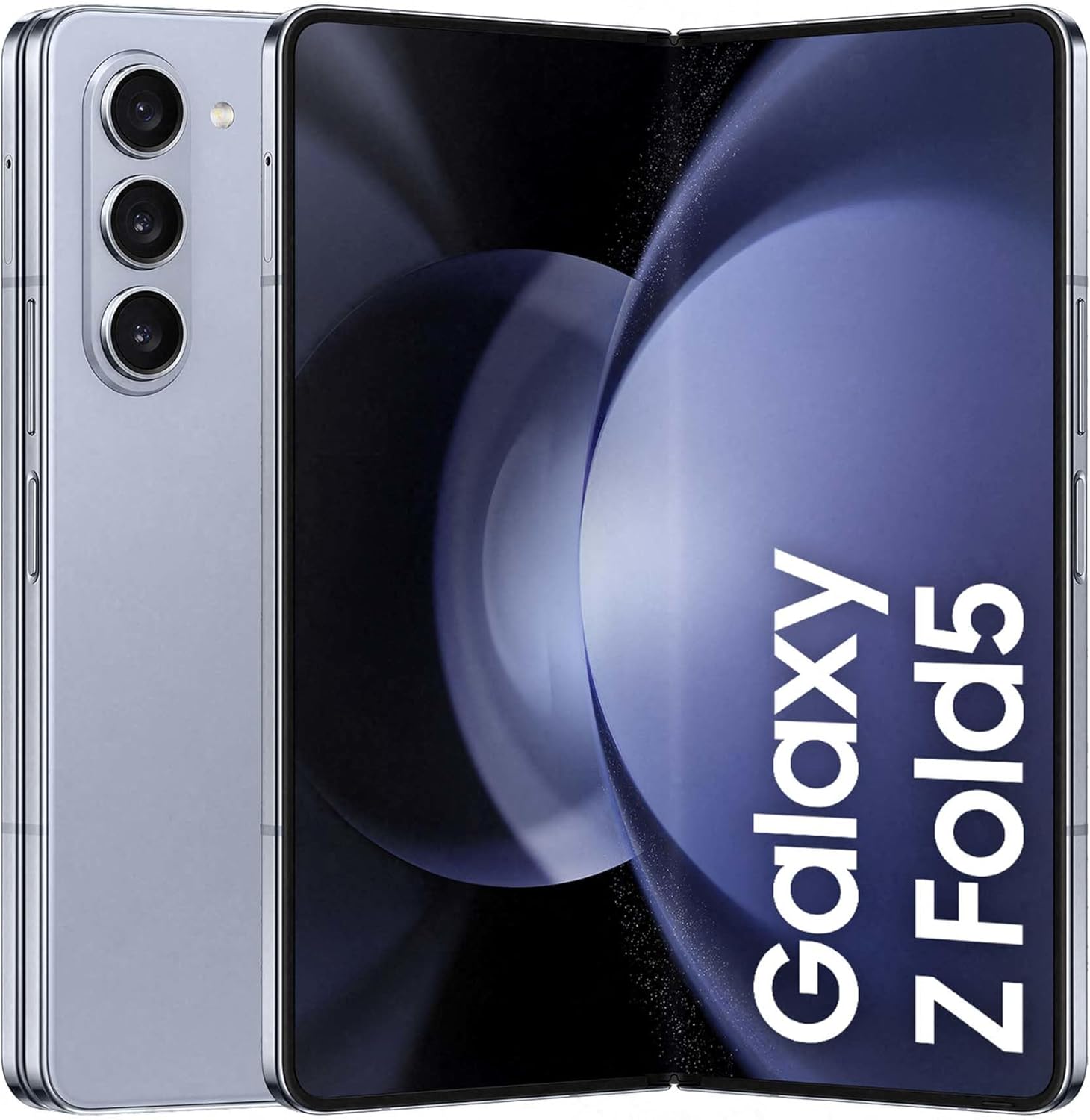
Samsung F946B Galaxy Z Fold5
Android 13
RAM: 12 GB
Processor: Snapdragon 3.36 GHz
Storage: 1 TB capacity
Display Resolution: Full HD 1920 × 1080

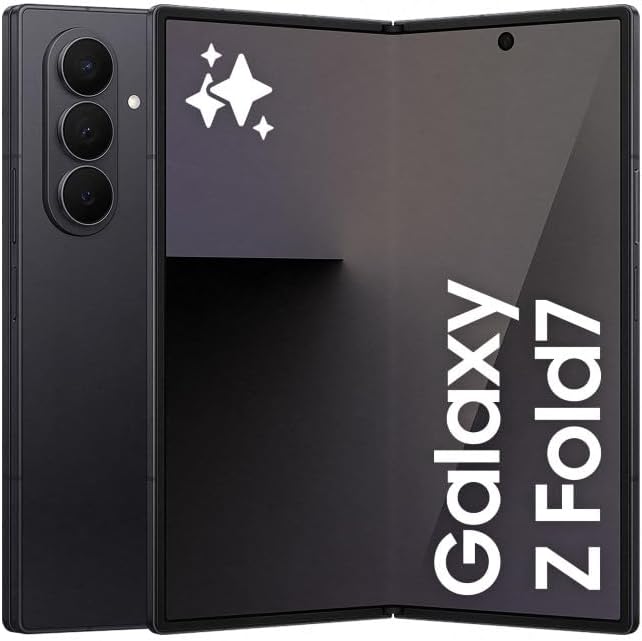
Samsung Galaxy Z Fold7
200 MP Camera
Snapdragon Power
4400 mAh Battery
Galaxy AI
1TB Storage, 12GB Memory.


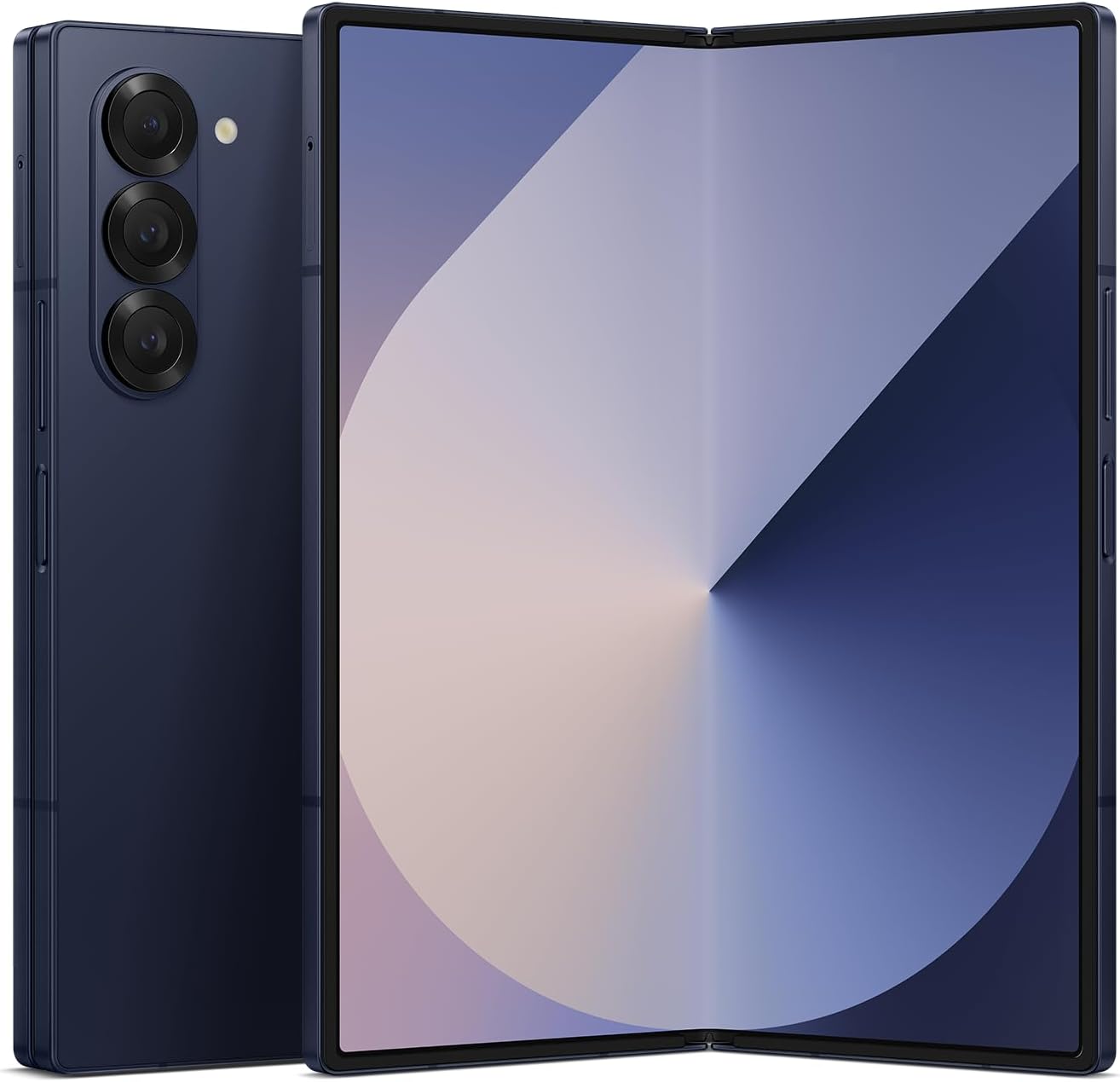
Samsung Galaxy Z Fold6
Display: 7.6″ Foldable
Cover Screen: 6.3″ AMOLED 2X
Processor: Snapdragon 8 Gen 3 (Octa-Core, 3.39 GHz)
12 GB RAM, 512 GB storage
Cameras: Triple rear (50MP + 10MP + 12MP), front 4MP, cover 10MP
Battery: 4400 mAh
Technological Triumphs: Mastering the Foldable Mechanism
Durability Innovations: The Hinge and Ultra-Thin Glass (UTG)
Early foldables broke easy. Creases showed on screens. Samsung fixed this. New hinges last 200,000 folds. That’s five years of use. UTG makes displays tough. It cuts light reflection.
Flex Mode shines here. The phone bends at angles. It props up for videos. No stand needed. Third-gen hinges smooth out. They reduce wear. Users trust them now.
Glass layers protect better. Drops hurt less. Samsung tests in labs. Real world holds up. These steps build faith.
Software Optimization and One UI Integration
One UI adapts to folds. Apps stretch across screens. Multitasking gets easy. Split screen runs three apps. Drag and drop works smooth.
Tablet mode kicks in when open. Continuity keeps tasks going. Close it, pick up later. Samsung tweaks for Z devices. Stock Android lacks this. Examples include edge panels. They quick launch tools.
Optimisation cuts lag. Folds feel fluid. Users switch modes fast. This ties hardware to software tight.
Battery Life and Power Management
Two screens drain fast. Thinner bodies limit space. Samsung shrinks batteries smart. Efficient chips save juice. Z Fold6 lasts a full day.
Modes adjust power. Outer screen sips less. Inner one powers big tasks. Software learns habits. It dims when idle. Heat stays low too.
Tests show 20% better life. From past models. Charging speeds match slabs. This solves a key flaw.
Product Portfolio Deep Dive: The Dual-Pronged Attack
The Galaxy Z Fold Series: The Productivity Powerhouse
Z Fold acts like a mini tablet. Open it for 7.6-inch view. Work emails side by side. Apps run full. S Pen works on some. Draw notes or edit docs.
Business pros love it. Meetings turn interactive. Share screens easy. Cover display handles calls. Integration with DeX boosts desk use.
Sales hit records in 2025. It pulls from laptop buyers. Productivity sells it.
The Galaxy Z Flip Series: Accessibility and Style
Z Flip folds small. Pocket friendly. Open for media. 6.7-inch inner screen. Fashion colors draw eyes. Lower price opens doors.
Compact design wins in Asia. Women pick it for bags. Selfies use flex cams. No case needed often.
It makes foldables mainstream. Entry point for new users. Fun over power.
Future Roadmap: What’s Next After Fold/Flip?
Samsung eyes tri-folds. Bigger screens unfold. Hinge tech allows it. Rollables might come. Screens expand on demand.
Patents hint at new shapes. Lighter materials next. Expect Z Fold7 in 2026. Thinner still. Battery jumps.
Innovation keeps rolling. Samsung leads the path.
Competitive Landscape and Market Realities
Responding to Increased Competition
Google’s Pixel Fold challenges. Chinese brands like Oppo push cheap options. Samsung iterates quick. Yearly updates beat them.
Pressure speeds R&D. Features copy fast. But Samsung’s ecosystem wins. Galaxy ties hold users.
Market share dips slight. Still over half. Lead stays firm.
The Pricing Dilemma and Market Penetration
Foldables cost high. Over £1,500 often. Samsung cuts prices slow. Now near Ultra levels. At £1,200 for base.
This widens reach. Trade-ins help. More buy in. From niche to norm.
Efforts pay off. Volumes rise 30% yearly.
Supply Chain Control and Manufacturing Scale
Samsung Display makes panels. Flexible OLED in house. This cuts costs. Lead time short. Rivals buy from them.
Scale ramps up. Factories run full. Yields improve. Prices drop over time.
Control gives edge. Quality stays high.
Actionable Insights for Consumers and Enthusiasts
Choosing Between Fold and Flip
Pick Fold for work. If you multitask much. Flip suits casual use. Portability first.
Check hinge in store. Open close smooth? Test software. See split screen.
Budget matters. Flip saves cash. Fold invests in future.
- Fold pros: Big screen, S Pen, productivity.
- Fold cons: Bulkier, pricier.
- Flip pros: Compact, stylish, affordable.
- Flip cons: Less screen, no Pen.
Maximizing the Foldable Experience
Use Flex Mode for hands free. Prop for calls or recipes. Multitask with three apps. Pin favourites.
Apps update for folds. Check compatibility. Gestures speed navigation. Swipe to switch.
Care for hinge. Avoid dust. Clean soft. Battery tips: Charge to 80% often.
Future-Proofing Your Purchase
Trade-ins keep value high. Samsung programs strong. Two years later, still fetch good price.
Gen 6 models last long. Updates for seven years. Software keeps fresh.
Buy now if ready. Tech moves fast. But Z leads.
Conclusion: Solidifying the Foldable Empire
Key Takeaways
Samsung commits to foldables for good reason. They differ from slabs. Tech beats doubts. Market control grows.
Z series drives sales. Durability wins trust. Strategy fights saturation.
The Long-Term Vision
Foldables go mainstream soon. Samsung leads the charge. By 2030, half of premiums fold. You should watch this space.
Grab a Z device. Experience the fold. It’s the mobile future.