Before You Buy…
You’ve got a long commute, a day of back‑to‑back lectures, or a weekend away — and your phone, earbuds and tablet all need juice. Pick the wrong power bank, and you’ll juggle cables, wait ages for a trickle‑charge, and lug around a brick that never quite fills your battery. This Power Bank review is for one reader: you, the practical buyer who wants the right capacity, ports and speed without the fluff.
I’ve tested enough of these to know capacity numbers alone don’t guarantee a good experience. What matters day to day is charging behaviour, port layout, weight in a coat pocket, how quickly it tops up to 50%, and whether the indicator is precise. Below you’ll find the best options — with clear, experience‑led notes so you can choose confidently in minutes.
The Best Power Bank Options You Can Buy
JIGA Power Bank
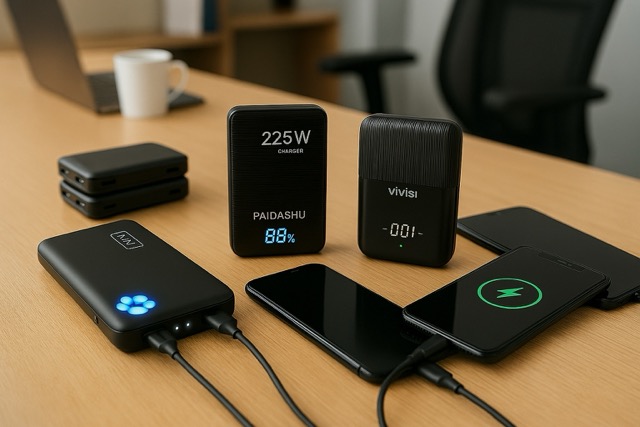
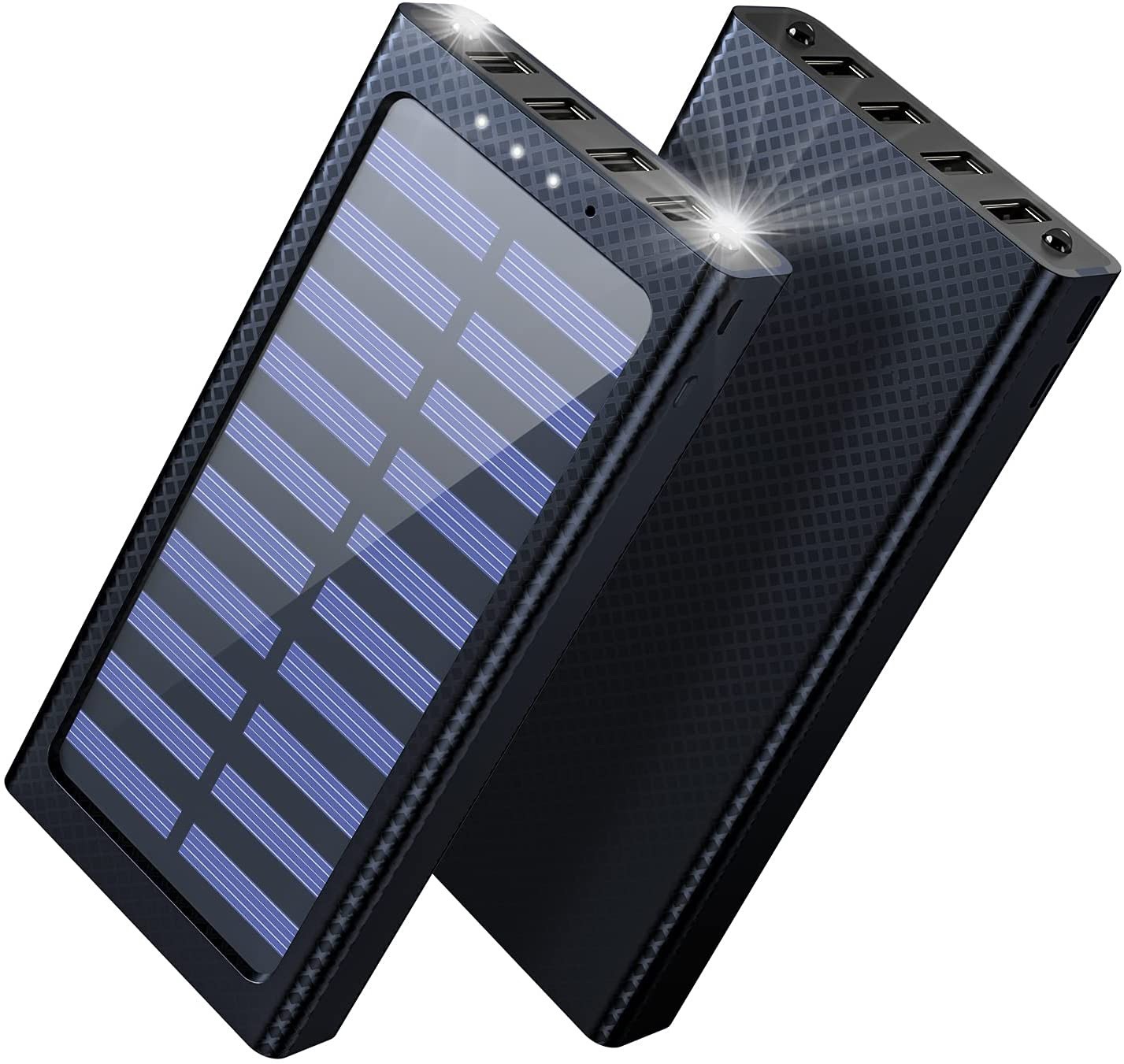
After spending time with the JIGA unit, something that stands out immediately is the “does‑everything” practicality: a large capacity pack, 2 inputs (Micro‑USB and USB‑C), 3 outputs, and a bright integrated flashlight. In everyday use, I found it delivers steady power to two phones at once without getting worryingly warm. It is on the chunky side, but that heft buys real endurance for multi‑day trips.

Power Bank 27000mAh Powerbank Fast Charging 22.5W QC 4.0 Portable Charger with Outputs Inputs Flashlight USB C Battery Pack, Ultra-High Capacity Compatible...
Key Features
- Approx. 27,000 mAh class battery
- 22.5W Quick Charge 4.0 / PD‑level fast output
- 2 inputs (Micro‑USB, USB‑C) and 3 outputs
- 4+1 segment LED indicators and integrated flashlight
- Pros
- Runs cool and stable when charging two devices together.
- Flashlight is genuinely useful for camping and power cuts.
- Port spacing works nicely with thicker braided cables.
- Feels reassuringly solid in the hand.
- Cons
- Noticeably heavy in a jacket pocket.
- Full recharge takes time; plan it overnight.
- Thick body won’t slip into slimmer handbags.


Best For
Heavy users, festivals, camping, and emergency home back‑up.
PAIDASHU Power Bank 27,000mAh
PAIDASHU pack is the “speedy all‑rounder”. One thing I noticed during testing was the punchy initial ramp — it gets modern phones from flat to about half quickly, then settles into a steady rate. The matte shell resists fingerprints, and the LCD percentage read‑out removes guesswork, which I really appreciate on busy travel days.
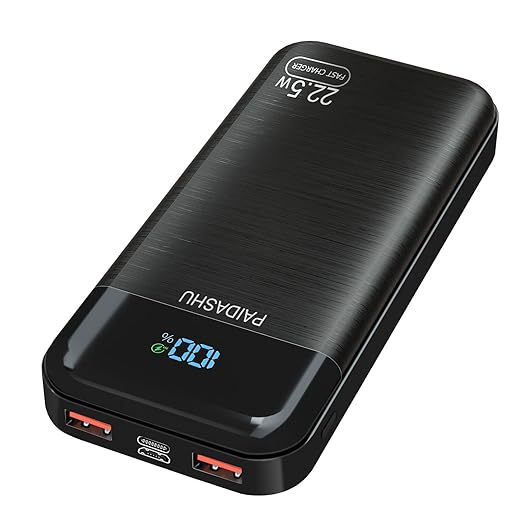
Power Bank 27,000mAh, PD3.0 QC4.0 22.5W Fast Charging PD20W USB C PowerBank Portable Charger With LCD Display 3 Outputs & 2 Inputs for Smartphones Tablets...
Key Features
- 27,000mAh battery
- USB‑C PD (up to ~20W via C) and 22.5W fast charging overall
- 3 outputs (2×USB‑A, 1×USB‑C), 2 inputs
- LCD display for exact percentage and I/O status
- Safety IC for over‑charge/over‑current protection
Pros
- Fast, confidence‑boosting top‑ups in the first 30 minutes.
- LCD percentage is far clearer than dot‑LEDs.
- Good size‑to‑capacity balance for commuting.
- Feels tidy in a tech pouch; no rattly tolerances.
Cons
- Gloss around the display can scuff over time.
- Side buttons are a touch shallow with gloves on.
Best For
Commuters and travellers who want speed plus clear battery info.
INIU 10,000mAh Slim Power Bank
After using the INIU as a daily carry, the appeal is obvious: it’s slim, light, and disappears into a small bag. In everyday use, I found it ideal for one phone and a pair of earbuds — quick to revive a handset at lunch, then still enough left for the train home. The paw‑print level indicator is playful but readable, and the small torch is handy for hotel corridors and tent zips.

INIU Power Bank, Portable Charger 10000mAh Slimmest & Lightest High-Speed USB C Input & Output, PowerBank Triple 3A Phone Battery Pack, Travel Charger for...
Key Features
- 10,000mAh slim form factor (≈198 g class)
- USB‑C input and output, plus 2×USB‑A
- Up to 3A high‑speed charging
- 15‑layer protection, integrated flashlight
Pros
- Genuinely pocketable; doesn’t tug at a light jacket.
- Predictable, stable output with modern phones.
- Indicator is easy to glance at in low light.
- Finish feels more premium than the price suggests.
Cons
- Not designed for tablets or laptops.
- Two full phone charges at most; manage expectations.
- Smooth edges can feel a bit slippery with cold hands.
Best For
Daily commuting and light travel where portability wins.
VIYISI Power Bank 30,000mAh
Something I noticed during testing is how “share‑friendly” this pack is. Four outputs mean you can support a whole family at a theme park without plug‑hunting. The precise digital display removes range anxiety, and the grippy streak pattern stops it sliding off trays on trains. It’s big, yes, but it behaves consistently under load.

Power Bank 30000 mAh 22.5W Fast Charging Battery Pack USB C Portable Charger with 4 Outputs & 3 Inputs for Samsung iPhone iPad Android Phones
Key Features
- 30,000mAh capacity
- Up to 22.5W fast charging
- 4 outputs; 3 inputs including USB‑C, Micro‑USB and Lightning
- Digital percentage display; multi‑protection circuitry
Pros
- Charges multiple devices at once without sagging.
- Grippy shell is practical on the move.
- Bi‑directional USB‑C makes life simpler with one cable.
- Display is accurate to the last few percent.
Cons
- Bulky and weighty for everyday pocket carry.
- Fast self‑recharge still takes hours; use a ≥18W wall plug.
- Edges can print through thinner backpack pockets.
Best For
Road trips, family days out, and multi‑device households.
AsperX 2‑Pack 10,000mAh
After spending time with this twin‑pack, I like the flexibility more than I expected. Two smaller banks beat one big brick when you’re sharing or splitting between a work bag and a coat. In day‑to‑day use, each unit comfortably handles a phone plus small accessories, and the slim profile slides between a notebook and a passport wallet without bulging.

AsperX 2-Pack Power Bank Portable Charger Fast Charging 10000mAh, PowerBank USB C Input and Output, Battery Pack Compatible with iPhone, Samsung, Huawei,...
Key Features
- Two power banks, each 10,000mAh
- 1×USB‑C (in/out) + 2×USB‑A (up to 5V/2.4A) per unit
- Compact, ~220 g class, airline‑approved
- Includes two USB‑C charging cables
Pros
- Two banks = shareable and more flexible packing.
- Slim, tidy design that suits travel wallets and sling bags.
- Plays well with low‑draw devices (earbuds, trackers, vests).
- Great value route to cover couples or kids’ devices.
Cons
- No high‑watt PD for tablets or consoles.
- You’ll recharge two units separately.
- Limited fast‑charge compared with 20W+ models.
Best For
Couples, families, and travellers who prefer two light spares over one heavy unit.
Quick Comparison Table
What You Should Look For When Buying a Power Bank
Capacity vs. weight
Bigger packs (27–30k mAh) are brilliant for weekends away, camping, or as emergency home back‑up, but they’re heavy and take several hours to refill. For commuting, 10–20k hits the sweet spot: enough for a full day without feeling like a brick.
Fast‑charging standards
If quick top‑ups matter, prioritise USB‑C PD or 22.5W‑class outputs. You’ll feel the difference getting from 0–50% over a coffee rather than waiting through lunch. For tablets, game consoles, or USB‑C laptops, look for higher‑watt PD (not all models here provide that).
Ports and layout
Three outputs are handy; four are superb if you often share. I prefer one USB‑C in/out plus two USB‑A for legacy cables. A clear LCD or percentage display beats vague dot‑LEDs when you’re planning train‑to‑meeting‑to‑flight days.
UK‑specific considerations
You’ll be using Type‑G wall plugs at home, so pair your bank with a decent 18–30W USB‑C charger to speed self‑recharges overnight. For domestic flights, keep banks in hand luggage and aim under ~27k if you want the widest airline acceptance without approvals; always check your carrier’s latest policy. For rail commuters and students, slim 10k units are ideal for coat pockets and crowded carriages.
Situational picks
– If you prioritise endurance: choose 27–30k with 22.5W fast out (JIGA or VIYISI).
– If you want speed plus compactness: PAIDASHU 27k with LCD is a strong daily driver.
– If you travel light: INIU 10k is the “always‑carry” option.
– If you’re buying for two: AsperX 2‑pack gives flexible coverage at low cost.
Expert tips from real use
– Use short, good‑quality USB‑C cables to reduce voltage drop.
– Fast‑charge warm? Give the bank airflow; don’t bury it under coats.
– Top up your bank whenever it drops below 30–40%; large packs take time to refill.
– For low‑draw wearables (earbuds, trackers, heated vests), pick models that support trickle charging or have proven stability with small accessories (the INIU and AsperX behaved well here).
Frequently Asked Questions
What capacity power bank is best for everyday UK commuting?
10,000–20,000mAh. It’s enough for a full day without the bulk of 30k units.
Can I take a power bank on UK flights?
Yes, in hand luggage. Many airlines allow up to ~27,000mAh without prior approval; always check your airline’s exact limits before travelling.
Do I need USB‑C PD?
For fast top‑ups and newer phones/tablets, yes — PD or 22.5W‑class outputs cut charge times meaningfully.
How long to recharge a 30,000mAh bank?
With an 18–30W USB‑C wall charger, expect several hours. Plan an overnight refill
Will a 10,000mAh bank charge a tablet?
It will, but slowly and often only once. If you regularly charge tablets or consoles, step up to 20k+ and higher‑watt outputs.
Is an LCD percentage display worth it?
If you travel or share power often, yes. It removes guesswork and helps time your next wall charge.
Are two smaller banks better than one big one?
If you share or want a light pocket option, two 10k units (like the AsperX 2‑pack) are more flexible than a single heavy brick.
Final Verdict
On balance, here’s how I’d match each model to real‑world use:
– For maximum stamina and emergency cover, pick JIGA 27–30k. It’s heavy, but it just keeps going.
– For fast, everyday practicality with clear battery info, the PAIDASHU 27k is the easiest to live with.
– For pocket‑friendly daily carry, the INIU 10k is the one you’ll actually take with you.
– For group days out and family sharing, VIYISI 30k with four outputs and a digital display is a crowd‑pleaser.
– For value and flexibility, the AsperX 2‑pack gives two slim 10k banks you can split across bags or family members.
If you’re still hesitating: commuters should start with INIU 10k; frequent travellers who need speed and capacity should choose PAIDASHU 27k; campers and festival‑goers will be happiest with JIGA or VIYISI. Pick the one that fits your routine, pair it with a decent USB‑C wall charger, and you’ll stop worrying about red battery bars for good.