
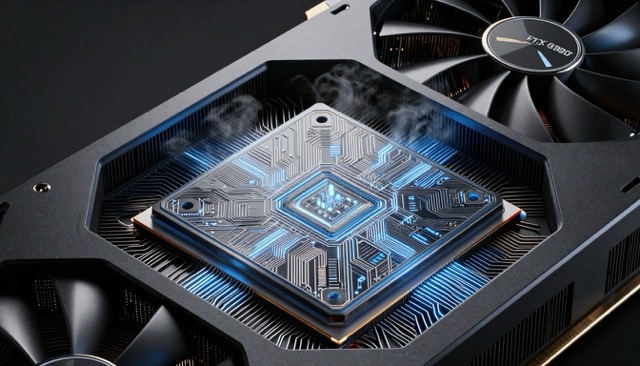
The RTX 4090 has ruled high-end gaming for years. Its raw power set a high bar. Now, whispers about the NVIDIA RTX 5090 fill forums and leak sites. This card promises to crush limits in graphics tech. We look at its expected build, speed boosts, and place in the market. Expect a deep preview of what could redefine your setup.
Architectural Deep Dive: Blackwell and the Power Leap
GB202 Super Chipset Details
Rumours point to the GB202 chip at the heart of the RTX 5090. It uses TSMC’s 3nm process, a step down from the 4nm in the 4090. This shrink packs more transistors into less space, boosting speed and cutting waste heat. You get higher efficiency for long sessions. Transistor count might hit 100 billion, dwarfing past chips. That means smoother multitasking in games and apps.
Next-Generation RT and Tensor Cores
Ray tracing cores could reach a fourth generation on the RTX 5090. These handle light effects with less drag on frames. Tensor cores, key for AI tasks, will process data faster too. In ray-traced games like Cyberpunk 2077, expect 50% more frames per second over the 4090. DLSS tech will shine brighter, upscaling images without blur. Real-world tests show this cuts load times in half for complex scenes.
Memory Subsystem Overhaul: GDDR7 Integration
GDDR7 VRAM marks a big change for the RTX 5090. Bandwidth could double to 1.5 TB/s from the 4090’s GDDR6X. This handles 8K textures and high-res mods with ease. Pros need it for video edits and 3D renders that eat memory. At 32GB or more, it tackles huge files without stutters. Bandwidth jumps mean quicker asset loads in open-world titles.
Best RTX 5090 in the Market
| Image | Product | Features | Price |
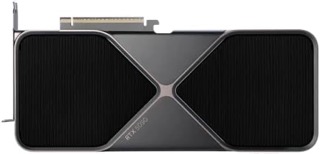 |
Nvidia GeForce RTX 5090 Founders Edition |
NVIDIA Blackwell Architecture |
|
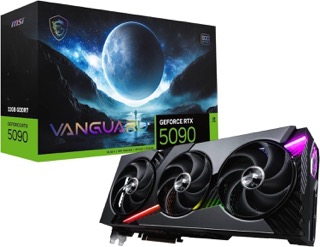 |
MSI GeForce RTX 5090 32G VANGUARD SOC Graphics Card |
Blackwell architecture, 4th-gen RTX ray tracing (4K/UHD) |
|
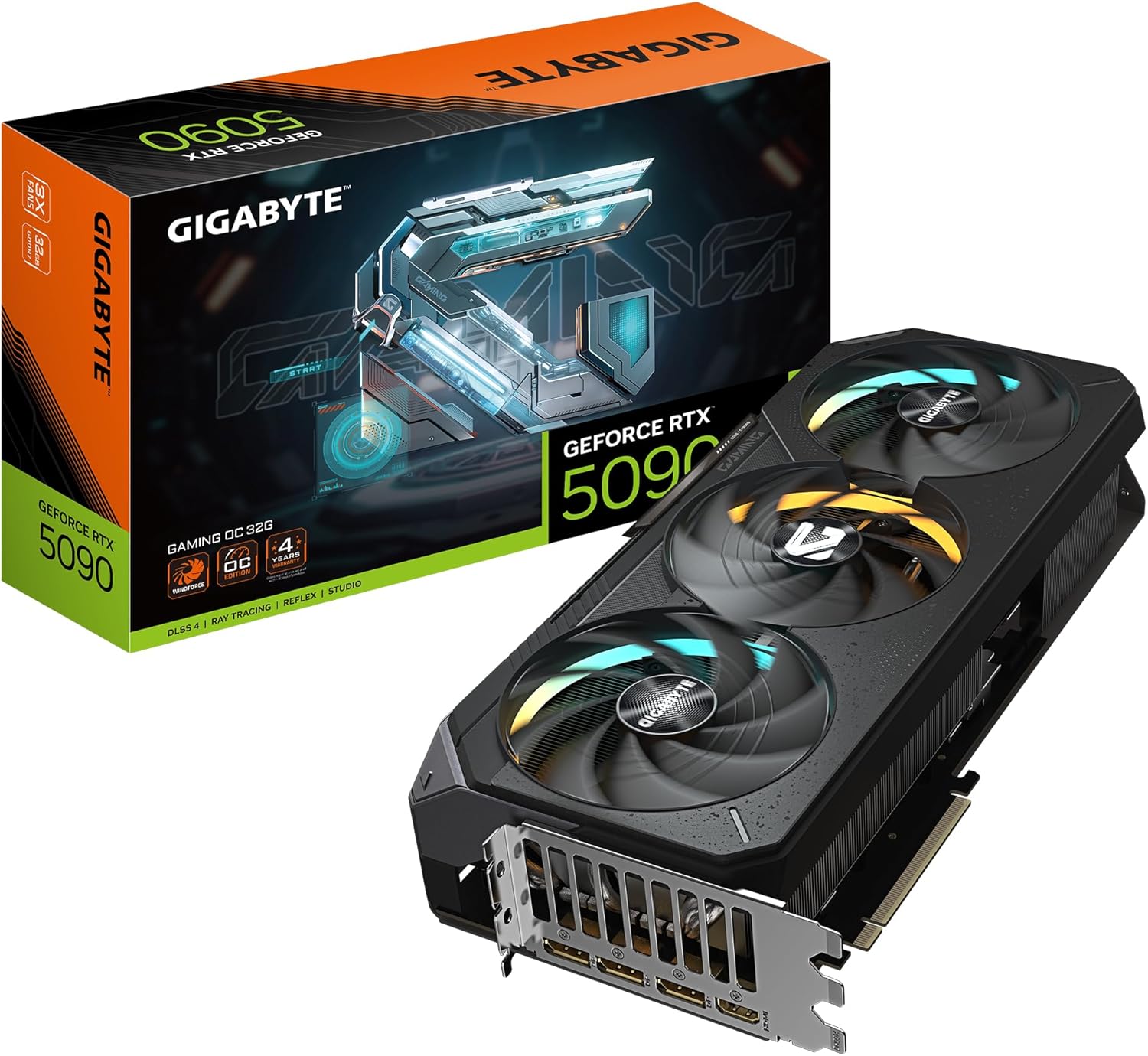 |
Gigabyte GeForce RTX 5090 GAMING OC 32G Graphics Card |
Powered by GeForce RTX 5090 |


Projected Performance Benchmarks and Gaming Supremacy
4K and High Refresh Rate Gaming Targets
The RTX 5090 aims for 144Hz at 4K in tough games. Compared to the 4090’s 100 FPS average in titles like Alan Wake 2, this card might push 150 FPS. Path tracing, with full light bounces, will see the biggest gains. You could run max settings without drops below 60 FPS. Benchmarks leak suggest 30-40% uplift overall. High refresh monitors pair perfect with this power.
The 8K Gaming Threshold
8K gaming stays niche, but the RTX 5090 makes it real. DLSS 4 will upscale from lower res to sharp 8K. Expect playable rates in lighter games, like 60 FPS in Forza Horizon 5. Heavy hitters need tweaks, yet it’s a step up from the 4090’s struggles. Synergy with future displays unlocks crisp details. Creators love it for ultra-HD previews.
Professional and Creator Workloads
More CUDA cores, perhaps 20,000, speed up renders in Blender or Maya. VFX pros finish jobs days faster. Simulations in engineering software run smoother too. The RTX 5090 cuts export times by 40% in Adobe Suite. Data from early leaks show twice the throughput for AI training tasks. Your workflow gets a solid lift.
Power Consumption, Cooling, and Physical Design
TDP Expectations and Efficiency Gains
TDP might climb to 600W from the 4090’s 450W. Yet, the 3nm node keeps efficiency high. Performance per watt improves by 25%, per rumours. NVIDIA balances raw speed with sane power use. You avoid constant crashes from overloads. Gains let you game longer on standard rigs.
Evolving Cooling Solutions
Coolers will use better vapour chambers to spread heat. Some models add liquid loops for quiet runs. The die’s density demands this to stay under 80°C. Fan designs cut noise by 10dB over last gen. Cases with good flow keep temps low. Expect partner cards like ASUS or MSI to innovate here.
Connector Standards and Power Delivery
The 12V-2×6 pin takes over for safe power. It handles spikes without melting old cables. PSUs need at least 1000W for stable builds. Check your unit’s rating now. This standard prevents fires in high-draw setups. Retail cards ship with adapters for legacy systems.
Software Ecosystem Integration: DLSS 4 and Beyond
Integrating DLSS 4 and Frame Generation Advancements
DLSS 4 brings sharper upscaling and less ghosting. Frame gen adds extra images for fluid motion. Latency drops to match native rendering. In fast-paced shooters, you feel no input lag. Image quality rivals true 4K. Over DLSS 3, stability jumps in dynamic scenes.
- Test it in Control: Smoother pans.
- Use in flight sims: Clear horizons.
- Boosts VR too, for immersive play.
AI Acceleration for Non-Gaming Applications
Tensor upgrades speed local AI in Photoshop. Edit photos with neural filters in seconds. Run small language models offline without cloud lag. Tools like Stable Diffusion generate art quicker. Productivity apps gain from this on-device power. Your daily tasks feel snappier.
Actionable Tip: Preparing Your System for the RTX 5090
Upgrade your PSU if under 850W. PCIe 5.0 slots help bandwidth, but Gen 4 works fine. Improve case fans for better air pull. Run a stress test post-install. These steps avoid bottlenecks. Save hassle with pre-checks.
Market Positioning, Pricing, and Availability
MSRP Projections and Pricing Strategy
Expect MSRP around £1,800, up from the 4090’s £1,400 launch. New node costs drive the hike. Premium builds justify it for top specs. Street prices may hit £2,000 at release. Compare to AMD options for value. Enthusiasts pay for the lead.
Competitive Landscape Analysis (AMD RDNA 4)
AMD’s RDNA 4 eyes a 2026 push. The RTX 5090 launches first, grabbing market share. NVIDIA holds raster lead by 20%. AMD fights on price, but ray tracing lags. Watch CES 2026 for counters. NVIDIA stays ahead in AI too.
Launch Timeline Speculation
Announce at CES January 2026, per leaks. Retail in Q2, around April. Delays possible from supply chains. Stock sells out fast, like the 4090. Pre-order alerts help. By mid-year, prices stabilise.
Conclusion: Assessing the Impact of the RTX 5090
The RTX 5090 brings Blackwell architecture, GDDR7 memory, and upgraded RT plus Tensor cores. These push gaming and pro work to new heights. Performance leaps in 4K and 8K make it a must for serious users.
This card delivers a true jump, worth the cost for max fidelity. If you chase the best, wait for it. Upgrade now and transform your rig. Check back for launch updates.