
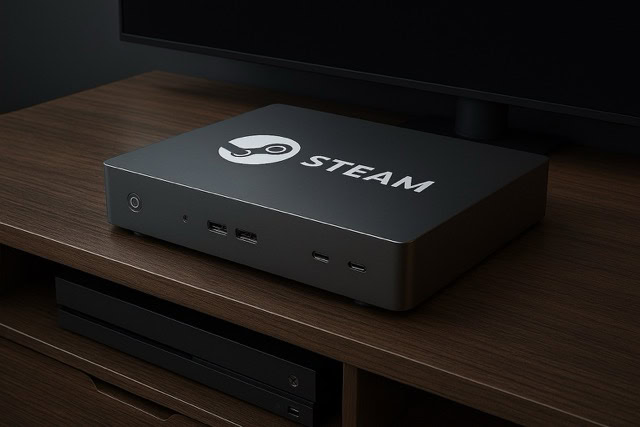

Steam Machines: The Return of Valve’s Living Room Vision
Valve’s Steam Machine concept first launched in 2015, aiming to bring PC gaming into the living room with console-like simplicity. While the initial wave fizzled due to fragmented hardware and unclear positioning, recent leaks and industry chatter suggest Steam Machines could return in 2026, powered by modern hardware and integrated with SteamOS 4.
So, what will they cost? Let’s dive into the latest pricing speculations, hardware expectations, and market dynamics.
Why Now? The Context Behind the Speculation
Valve’s success with the Steam Deck has reignited interest in SteamOS-based hardware. Analysts believe the company may leverage its Linux-based ecosystem to launch modular living-room PCs optimised for Big Picture Mode, cloud gaming, and AI-enhanced upscaling.
According to PC Gamer and The Verge, Valve has been quietly updating SteamOS with features that hint at desktop-to-TV optimisation, sparking speculation about a new wave of Steam Machines.
Pricing Predictions: Where Will Steam Machines Land?
Industry insiders suggest three pricing tiers could emerge:
- Entry-Level (£499–£699)
Targeting casual gamers and cloud streaming users. Likely powered by AMD APUs or Intel Arc GPUs, with 512GB SSD storage. - Mid-Range (£899–£1,199)
Designed for 1080p/1440p gaming with RTX 4060-class GPUs, 16GB RAM, and 1TB NVMe SSD. - High-End (£1,499+)
Enthusiast-grade, featuring RTX 4070/4080 GPUs, 32GB RAM, and advanced cooling—positioned as a premium alternative to gaming desktops.
IGN speculates that Valve could bundle Steam Controller 2.0 and VR-ready support in higher tiers.
Hardware Expectations
Leaks point to:
- SteamOS 4 with improved Proton compatibility.
- DLSS/FSR integration for performance boosts.
- Wi-Fi 7 and Bluetooth 5.4 for next-gen connectivity.
- Modular upgrade paths—a lesson learned from the original Steam Machine failure.
TechRadar notes that Valve may partner with AMD and NVIDIA for GPU options, offering flexibility for gamers.
Market Dynamics: Why Pricing Matters
The console market is fiercely competitive, with PlayStation 5 Pro and Xbox Series X dominating the living room. For Steam Machines to succeed, pricing must undercut high-end gaming PCs while offering console-like convenience.
According to Bloomberg, PC gaming hardware sales grew 18% in 2025, driven by AI upscaling and cloud gaming—creating a ripe environment for Valve’s comeback.
What This Means for Gamers
If Valve nails the balance between price, performance, and ecosystem, Steam Machines could become the ultimate hybrid—console simplicity with PC flexibility.
Stay Ahead
Follow ExpertKingdom.com for:
- Confirmed Steam Machine specs and pricing (as soon as Valve announces).
- Comparisons with consoles and gaming PCs.
- Guides on optimising SteamOS for living-room gaming.
FAQS
What is a Steam Machine?
A Steam Machine is a gaming device designed by Valve to bring PC gaming into the living room. It runs on SteamOS and offers console-like simplicity with PC-level flexibility.
Are Steam Machines coming back in 2026?
While Valve has not officially confirmed a relaunch, industry rumours and SteamOS updates strongly suggest a new wave of Steam Machines could arrive in 2026.
What hardware will Steam Machines use?
Leaks indicate AMD APUs or NVIDIA GPUs, modular upgrade options, and support for DLSS/FSR upscaling. Expect SSD storage, Wi-Fi 7, and Bluetooth 5.4 for next-gen connectivity.
Will Steam Machines compete with consoles like PS5 and Xbox Series X?
Yes. Steam Machines aim to offer console-like convenience with PC flexibility, making them a strong alternative for gamers who want access to the Steam library on their TV.
Will Steam Machines support VR gaming?
High-end models are expected to include VR-ready hardware and compatibility with Valve Index and other VR headsets.
When will Valve announce Steam Machines?
There’s no official date yet, but speculation suggests announcements could happen around major gaming events in mid-2026.